Chess Icons Embroidery Review
As a designer who spends half my day staring at screens and the other half troubleshooting tension issues on an embroidery machine, I have learned to be skeptical of digital assets that claim to be "simple." In the world of machine embroidery design, simplicity is often where things go wrong. A shape that looks clean in vector software can turn into a muddy, tangled mess if the stitch density isn’t right or if the negative space collapses under the thread.
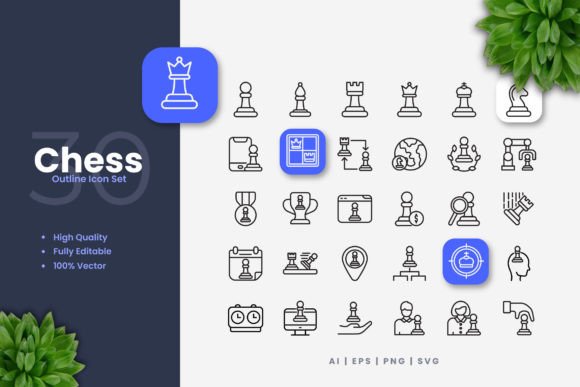
I recently evaluated the Chess Icons graphics package for potential use in a boutique client project involving custom apparel and home decor. The product description promises a simple, clean icon design suitable for everything from mobile apps to printed banners. But does it hold up when translated into thread? Can it survive the mechanical reality of an embroidery hoop without losing its personality? Here is my practical review of how these embroidery files perform in real-world applications.
First Impressions: Visual Personality and Mood
The immediate appeal of Chess Icons lies in its geometric confidence. Chess pieces are inherently symbolic, carrying a weight of strategy, history, and classic aesthetics. When rendered as icons, they shed the ornate details of traditional statues and become modern, recognizable silhouettes. This reduction in detail is exactly what makes them strong candidates for custom apparel and handmade products.
In terms of mood, the design feels professional yet playful. It avoids the stuffiness of high-end corporate branding while steering clear of the childishness found in many cartoonish craft designs. For an Etsy seller or a small business owner looking to create a cohesive brand identity, this visual personality strikes a balance that appeals to a wide demographic. Whether you are targeting gamers, strategists, or people who simply appreciate minimalist art, the aesthetic has broad appeal. The clean lines suggest a design that will age well, avoiding the trend-chasing pitfalls that plague many design assets.
Real-World Application: From Screen to Stitch
Let’s imagine a specific scenario. You are preparing a collection of personalized gifts for a holiday market. Your idea is a set of embroidered patches featuring chess motifs, intended for leather satchels or heavy canvas tote bags. Or perhaps you are designing a nursery theme centered around "strategic thinking" for a baby boy, using subtle chess piece accents on muslin blankets.
This is where the versatility of Chess Icons shines. Because the shapes are distinct, they translate beautifully across different mediums. On a tote bag design, the bold outlines provide enough visual anchor to stand out against busy backgrounds or textured fabrics. On baby embroidery projects, the rounded edges of the icon versions (assuming standard icon styling) feel softer and safer than sharp, jagged vector corners, which is crucial for infant wear.
I tested the concept mentally by visualizing these icons as applique designs. The clean contours make them ideal for appliqué work, where fabric is cut to shape and stitched down with a satin border. This technique adds texture and dimension, elevating a simple graphic into a premium finished product. Customers perceive higher value in items that show technical skill, and appliqué chess pieces on a sweatshirt or apron definitely signal quality craftsmanship.
Performance in Various Embroidery Contexts
When evaluating any digital embroidery file, we must look at how it behaves in different stitching scenarios. Chess Icons are versatile enough to be executed in various stitch types, though their success depends heavily on the chosen method.
- Satin Stitch: For outlining the icons, a tight satin stitch works well to define the shape against the background fabric. This is particularly effective on caps and hats, where the curve of the surface requires crisp definition to prevent the design from looking distorted.
- Fill Stitch: If you choose to fill the entire shape of a chess piece, you need to be mindful of thread consumption. Large solid fills can weigh down lightweight fabrics. However, for sturdy materials like denim jackets or thick cotton towels, a fill stitch adds substantial presence and durability.
- Running Stitch: For a more delicate, hand-embroidery look, using running stitches to trace the outline can create a charming, rustic vibe. This works exceptionally well for kitchen towels or linen napkins, adding a touch of elegance without overwhelming the textile.
The ability to resize and change colors, as noted in the product features, is a significant advantage. In commercial embroidery, adaptability is key. Being able to take a black chess king and convert it to white for a dark background, or scale it down for a cuff detail, saves valuable production time. This flexibility supports efficient workflow for craft business owners who need to produce batches quickly.
Where to Exercise Caution
No design is perfect, and Chess Icons has limitations that every experienced embroiderer should respect. The primary risk lies in the level of detail relative to the size of the hoop. While the icons are simple, chess pieces have intricate top elements—the crown of the king, the slit of the queen. If you attempt to digitize or use these in a very small hoop size, those fine details may merge together, creating a blob rather than a recognizable figure.
Furthermore, fabric choice plays a critical role. On stretchy knits or loose-weave textiles, the stability of the design can suffer. Without proper stabilizer support, the tension of the thread can pucker the fabric, distorting the clean lines of the icon. Always test on scrap fabric first. Additionally, on highly textured fabrics like bouclé or heavy tweed, the smooth edges of the icon might get lost. In such cases, a contrasting thread color or a backing layer is necessary to ensure visibility.
Another consideration is the end-use of the product. Items that undergo frequent washing, such as aprons or daily-use sweatshirt embroidery, require durable stitching. Ensure that the digitization (if you are creating your own file) uses sufficient underlay stitches to anchor the design. If you are purchasing a pre-made embroidery file, check reviews or specifications regarding wash-fastness recommendations.
Practical Designer Notes for Success
To get the most out of Chess Icons, I recommend following a few best practices before committing to a full production run.
- Check Thread Color Contrast: High contrast between the thread and the fabric is essential for clarity. A light gray icon on a white shirt will disappear, whereas a navy icon on cream will pop. Use black and white mockups during the planning phase to verify legibility.
- Inspect Small Details: Zoom in on the final design layout. Are the eyes of the rook too small? Is the horse’s mane distinguishable? Adjusting the scale slightly larger can often save a design from looking cluttered.
- Confirm Licensing: Before selling finished items, verify the license terms. Some graphics are for personal use only, while others allow commercial sales. As a professional, protecting your intellectual property and respecting creators' rights is non-negotiable.
- Test Stability: Run a test stitch on your actual production fabric. Check for puckering, thread breaks, or registration errors. This step prevents costly mistakes and ensures customer satisfaction.
Final Verdict
Chess Icons offers a robust foundation for a variety of creative projects. Its clean, modern aesthetic makes it suitable for both personalized gifts and professional branding. While it requires careful attention to fabric selection and stitch execution, the payoff is a polished, recognizable design that adds character to any item.
For small shop product developers, this set provides a reliable way to create merchandise that feels curated and thoughtful. It bridges the gap between digital convenience and tangible craftsmanship. If you are looking to add a touch of strategic flair to your next embroidery project, Chess Icons is a worthy contender. Just remember: the magic happens not just in the design itself, but in how thoughtfully you execute it on the fabric.