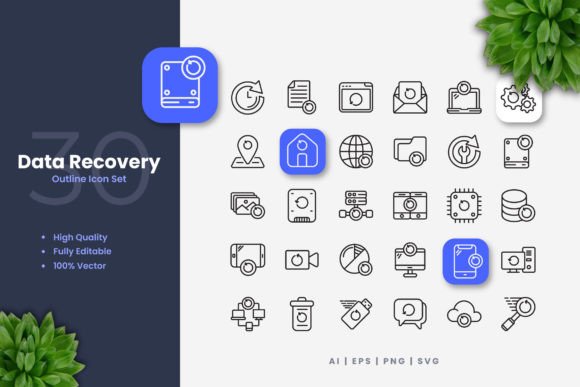
Data Recovery Icons Graphics Review for Sellers
As a digital product creator who has spent years optimizing listings on Etsy and Creative Fabrica, I know that the difference between a stagnant shop and a growing one often comes down to the quality and versatility of your design assets. Recently, I evaluated a set called Data Recovery Icons with the intention of incorporating it into my upcoming seasonal bundle. My goal was to determine if this asset could serve as a functional component for commercial products ranging from tech-focused printables to modern web graphics.
The market for digital downloads is saturated, so finding graphic design assets that offer both aesthetic appeal and practical utility is crucial. This review breaks down how Data Recovery Icons performs in real-world selling scenarios, what types of products they suit best, and where sellers should exercise caution to maintain high perceived value.
First Impressions and Visual Personality
When you first download a pack of icons, the immediate test is visual clarity. The description highlights a simple and clean icon design, which is exactly what serious sellers look for. In a crowded marketplace, cluttered designs get ignored. These icons possess a minimalist personality that feels modern and professional. They are not overly decorative or cute; instead, they lean toward a sleek, tech-forward aesthetic.
This visual style appeals to a specific buyer demographic: small business owners, IT professionals, bloggers, and creative entrepreneurs who need clear visual communication without distraction. The mood is efficient and trustworthy. For an Etsy seller, this means the asset can bridge the gap between purely decorative items and functional tools. It attracts customers looking for organization, system management, and digital workflow aesthetics. If your brand identity relies on clean lines and uncluttered layouts, these graphics fit seamlessly into that narrative.
Real-World Product Applications
The true test of any digital product is its versatility across different formats. I tested Data Recovery Icons against several common product categories to see where it generates the most value.
- Printable Planners and Organizers: One of the fastest-selling niches on Etsy is productivity planning. These icons are perfect for adding context to planner pages dedicated to data management, cloud storage, or backup schedules. You can use them in monthly or weekly layout templates to help users visualize their digital hygiene tasks.
- Tech Support and Service Marketing: For small business branding, local IT repair shops or freelance tech support providers often need promotional materials. These icons work beautifully in flyer designs, social media graphics, and service menu cards. They convey reliability and technical competence.
- Digital Downloads and Web Assets: Since the asset is described as perfect for websites and mobile apps, it serves well as a clipart bundle for Canva template sellers. Creators offering website UI kits or blog post headers can integrate these icons to enhance visual hierarchy without breaking the design flow.
- Merchandise for Tech Enthusiasts: On print-on-demand platforms, t-shirt designs and mug designs targeting programmers or data analysts often require subtle symbolism. A simple, clean icon of a hard drive recovery or a database lock can make for a sophisticated apparel graphic that doesn’t scream "cheap novelty."
- Infographics and Educational Content: Bloggers and educators creating content about cybersecurity, data privacy, or computer maintenance will find these illustrations invaluable. They simplify complex concepts, making infographics more engaging and easier to understand.
Enhancing Product Presentation and Mockups
In online selling, your listing images are everything. Even the best design fails if it isn’t presented effectively. Using Data Recovery Icons in your product mockups can significantly boost click-through rates. Because the design is simple, it scales well when placed inside device frames, such as smartphone screens or laptop monitors in lifestyle mockups.
Consider creating a themed bundle. For example, pair these icons with a set of neutral-colored backgrounds to create a "Digital Organization Kit." When you display this in your thumbnail, ensure the icons are large enough to be recognizable even on mobile devices. Clean cutouts against white or light gray backgrounds tend to perform best because they suggest clarity and ease of use. However, testing dark mode previews is also smart, as many tech-oriented users prefer dark themes.
Furthermore, these assets support visual storytelling. By grouping related icons—such as a cloud, a lock, and a checkmark—you can create a narrative of security and restoration. This approach increases the perceived value of your design bundle, allowing you to price it higher than single-item sales. It transforms a simple collection of shapes into a comprehensive solution for a customer’s problem.
Where Caution Is Required
While versatile, no asset is universally perfect. There are specific scenarios where Data Recovery Icons might not be the right choice, and recognizing these saves time and reduces negative reviews.
- Tiny Sticker Details: If you plan to sell die-cut stickers via Cricut or Silhouette machines, inspect the stroke weight closely. Extremely thin lines may become fragile or difficult to weed out properly. Test a small version at 100% scale before committing to a full sticker sheet production.
- Crowded Thumbnails: Avoid placing these icons in extremely busy compositions. Their strength lies in simplicity. If surrounded by too much text or competing graphics, they lose their impact. Keep your layouts breathable.
- Low-Resolution Print Products: Always verify the file resolution. While SVGs are scalable, if you are exporting PNGs for large-format banners or posters, ensure the source file is high enough quality to avoid pixelation. Blurry icons destroy trust in a professional seller’s brand.
- Weak Contrast Scenarios: Be mindful of background colors. Light gray icons on a white background will disappear. Always test your designs on various color palettes to ensure sufficient contrast for readability and visual appeal.
Practical Seller Notes for Implementation
To maximize the ROI of this graphic design asset, follow these practical steps before publishing your listings:
- Test on Real Mockups: Don’t just look at the raw files. Place the icons in actual product mockups. See how they look on a tote bag, a notebook cover, or a phone screen.
- Verify Transparency and Formats: Ensure your PNG exports have clean transparency edges. If selling SVGs, organize the layers clearly so customers can edit stroke weights and colors easily, as suggested by the asset’s flexibility.
- Font Pairing: To elevate the design, pair these icons with complementary typography. A sans serif font works well for a modern, corporate look, while a handwritten font might add a touch of personal flair for niche craft markets. Avoid overly ornate script fonts that clash with the clean geometry of the icons.
- Check Commercial Licensing: Before listing any item on a creative marketplace, double-check the license agreement. Confirm that you are allowed to resell modified versions or include the icons in larger bundles. This protects your shop from legal issues.
- Organize Files for Customers: When delivering your digital download, provide multiple file formats (SVG, PNG, EPS) and include a simple instruction guide. This reduces customer support queries and improves your store rating.
Ultimately, Data Recovery Icons is a solid addition to a digital seller’s toolkit, particularly for those targeting the tech, productivity, and business niches. Its clean aesthetic allows for broad application across sublimation designs, digital planners, and web graphics. By testing it thoroughly and presenting it professionally, you can turn this simple asset into a reliable revenue stream for your handmade business or online store.