Hajj Pilgrimage Illustration: Essential Graphics and Illustrations for Faith-Based Branding
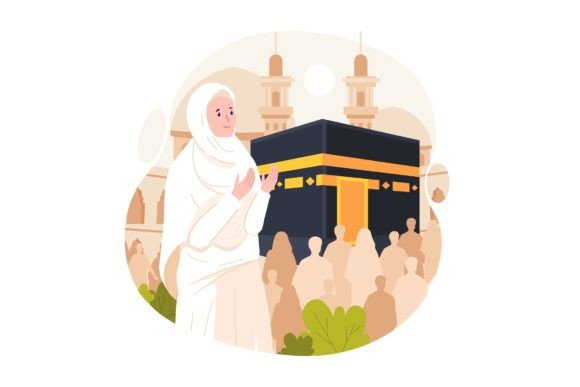
As a brand designer who spends hours dissecting visual communication, I approach every new asset with a critical eye. In the crowded marketplace of digital content, a single image can make or break a campaign’s perceived value. Today, I am reviewing a specific graphic design asset titled "Hajj Pilgrimage Illustration." This piece features a Muslim woman wearing ihram clothes against a Kaaba background, rendered in a clean vector illustration in flat style. For marketers, small business owners, and content creators looking to expand into faith-based niches or seasonal religious promotions, understanding how this illustration functions within a broader brand identity is crucial.
I recently analyzed this asset not just as a standalone image, but as a tool for a real-world marketing project: a launch campaign for a modest fashion boutique preparing for the Hajj season. The goal was to create a cohesive set of social media graphics, email banners, and printable inserts that felt authentic, respectful, and professionally polished. Here is my breakdown of how this creative design performs in practical application.
First Impressions and Emotional Tone
The immediate impact of this vector illustration is one of serenity and reverence. The flat style removes unnecessary clutter, allowing the viewer to focus on the spiritual significance of the scene rather than getting lost in complex textures. This simplicity is a strength. It creates a mood that is suitable for both casual branding and premium visuals. When you place this design asset on a website header or an Instagram post, it signals respect and cultural awareness immediately.
For audience perception, this matters. In content marketing, trust is built through authenticity. A generic stock photo might feel disconnected, but a well-executed illustration like this feels intentional. It brings an emotional tone of peace and devotion. This makes it highly effective for lifestyle content, event promotions, and editorial graphics where the goal is to connect with the audience on a deeper level without appearing overly commercial or messy.
Practical Applications in Marketing Workflows
In our hypothetical campaign for the modest fashion boutique, we needed versatile visuals that could adapt to various formats. This PNG design proved incredibly flexible. Because it is a vector-based graphic design asset, it scales perfectly from a tiny mobile icon to a large banner ad without losing quality. Here is how it performed across different touchpoints:
- Social Media Graphics: The flat style works beautifully for Instagram posts and Pinterest pins. The negative space around the figure allows for easy overlay of text overlays, such as "Hajj Ready" or "Spiritual Journey," ensuring visual hierarchy remains clear.
- Email Banners: Used as a hero graphic in an email newsletter, it draws the eye immediately. It supports marketing visuals by providing a focal point that guides the reader toward the call-to-action button.
- Packaging Design: For a physical product, such as a prayer mat or modest clothing item, this illustration can be used on packaging accents or thank-you cards. It elevates the unboxing experience, contributing to professional branding and customer retention.
- Digital Ads: In Facebook ads, clarity is key. The distinct silhouette of the pilgrim against the Kaaba background stands out even in small sizes, helping to stop the scroll and improve engagement rates.
This versatility confirms that the asset is more than just a clipart; it is a functional component of a larger design bundle. Whether you are creating Canva templates for clients or designing your own printable promotions, this SVG design provides a solid foundation for modern design aesthetics.
Supporting Core Marketing Goals
Integrating this illustration into your workflow directly supports several critical marketing goals. First, it strengthens your first impression. A consistent use of high-quality design assets signals professionalism. Second, it aids in clearer visual hierarchy. By using the illustration as a decorative element or a primary focal point, you guide the user’s eye naturally through your message.
Furthermore, it builds audience trust. When brands invest in culturally specific and respectful imagery, their target audience feels seen and valued. This leads to stronger recognition and emotional connection. For small business branding, this kind of thoughtful detail can differentiate you from competitors who rely on generic, low-effort visuals. It also ensures better product presentation, making your offerings appear more valuable and curated.
Strategic Placement and Best Uses
To maximize the impact of this Islamic Hajj Pilgrimage Illustration, placement is everything. It works best as a hero graphic for campaign headers or as a branded template element for social media covers. In editorial layouts, it serves as a powerful decorative brand element that breaks up text blocks while reinforcing the theme.
It is also ideal for product launch visuals. Imagine a new line of travel accessories for pilgrims; placing this illustration next to the product photo creates an immediate contextual link. For content bundles, such as a downloadable guide on "Preparing for Hajj," this image can serve as the cover art, making the digital product look polished and ready for sale.
Areas Requiring Careful Consideration
However, no single asset fits every scenario. There are situations where this graphic design asset should be used carefully. It may not be suitable for formal corporate branding unless the company has a specific focus on community or religious services. In dense information layouts, the illustration could compete with the data, so keep text minimal. On small mobile graphics, ensure the details remain visible; if the resolution is too low, the flat style might lose its crispness.
Avoid placing it on low-contrast backgrounds where the colors blend together, obscuring the main subject. Additionally, for overly minimal brands, the detailed background of the Kaaba might feel too busy. In text-heavy ads, prioritize the message over the decoration. Always ensure the asset does not distract from the primary call to action.
Professional Designer Notes for Implementation
Before adding this illustration to your final designs, follow these practical steps to ensure seamless integration:
- Test with Your Palette: Check how the colors of the illustration harmonize with your brand color palette. You may need to adjust the hue slightly to match your existing brand identity.
- Check Black and White Usage: Convert the file to grayscale to see if the composition holds up. This helps determine if it will work well for monochrome printing or sticker designs.
- Real Campaign Mockups: Place the image inside real campaign mockups, such as a phone screen or a printed flyer, to preview it on actual devices.
- Font Pairing: Test readability by pairing the illustration with different font styles. It pairs well with elegant serif fonts for a traditional look, clean sans-serif fonts for modern appeal, or handwritten fonts for a personal touch. Avoid display fonts that are too loud.
- Review Spacing: Confirm that there is enough breathing room around the figure. Good spacing enhances balance and prevents the design from feeling cramped.
- Commercial Licensing: Most importantly, review the commercial license. Ensure you have the right to use this digital product in paid campaigns, client work, or business branding before publishing any materials.
In conclusion, the "Hajj Pilgrimage Illustration" is a strong design asset for anyone looking to enhance their marketing visuals with respectful, high-quality imagery. Its flat vector style offers flexibility across various mediums, from web design to packaging design. By integrating this creative design thoughtfully, you can create memorable campaign visuals that resonate deeply with your audience and elevate your small business branding to a professional standard.